TL;DR: The Met Police six-month facial recognition pilot in Croydon is over. The final numbers: 470,000 faces scanned, 173 arrests across 24 operations, a 10.5% crime drop, and exactly one false alert. Police call it proof the technology works. Big Brother Watch calls it "chilling infrastructure." The High Court already ruled it legal in April. The cameras aren't coming down. They're being joined by 40 new facial recognition vans. London's temporary experiment just became the blueprint for permanent mass surveillance.
Six Months of Scanning
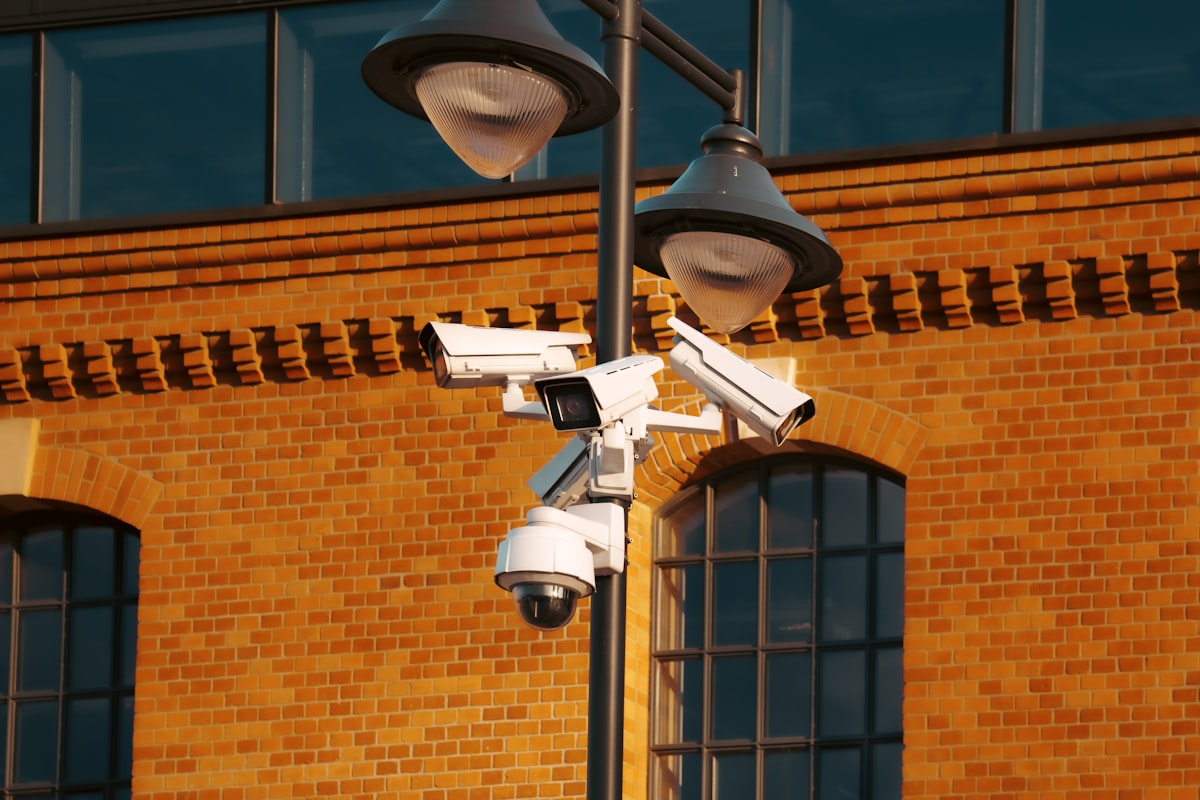
Between October 2025 and March 2026, two cameras mounted on lamp posts at Croydon High Street scanned every face that walked past. NEC Corporation's Neoface algorithm compared each one against a police watchlist. No match? Your face got deleted. Match? Officers on the ground moved in.
The numbers, according to the Met's own press release from May 13:
- 470,000+ faces scanned
- 173 arrests across 24 operations
- One arrest every 35 minutes during active deployments
- 10.5% overall crime reduction in the area
- 21% drop in violence against women and girls
- 1 false alert: person was cleared and released
- 61% of arrested individuals had committed offenses in Croydon
Among the catches: a woman wanted since 2004 for assault, evading justice for over 20 years. A 41-year-old rape suspect from November 2025. A voyeur hunted for six months. Thirty-seven people breaching court-imposed conditions.
Why Lamp Posts Change Everything
We covered this pilot in January when the arrest count was 103. Back then, the shift from surveillance vans to fixed cameras was the story. Six months later, the implications are clearer.
Vans are obvious. They announce themselves. They require crews, setup, takedown. They're temporary by design: park, scan, leave.
Lamp post cameras are infrastructure. They don't leave. They blend into the street. They activate remotely. No setup crew needed. No van parked conspicuously on the curb.
The Met says the cameras only operate during "defined timeframes" with officers present. They're not running 24/7. Not yet. But the hardware is bolted to the lamp post regardless. The switch is always there. Someone just has to flip it.
And here's the operational kicker: fixed cameras in Croydon freed up the mobile vans to deploy elsewhere. The permanent infrastructure multiplied the Met's scanning capacity without buying a single new unit.
The Math Nobody's Celebrating
173 arrests from 470,000 scans. That's a hit rate of 0.037%.
Put differently: for every person arrested, 2,716 innocent shoppers had their biometrics captured by a police algorithm, compared against a criminal watchlist, and (the Met promises) immediately deleted.
The one false alert is genuinely impressive accuracy for facial recognition technology. NEC's Neoface is considered among the best in the field. But accuracy of the algorithm isn't the only question. The question is whether 470,000 people consented to a police biometric scan while buying groceries.
They didn't. Signs were posted. That's it.
The Courts Said It's Fine
In April 2026, the High Court ruled the Met's live facial recognition policy lawful in R (Thompson and Carlo) v Commissioner of Police of the Metropolis.
Shaun Thompson knows this system's failures firsthand. The Croydon community worker and anti-knife crime campaigner was misidentified by these cameras in 2024. He showed officers his ID, his financial documents. They didn't believe the computer was wrong. He called the technology "stop and search on steroids."
Thompson brought the case alongside Big Brother Watch director Silkie Carlo. They argued the technology breaches rights to privacy, freedom of expression, and freedom of assembly. The High Court disagreed.
Thompson plans to appeal. But while lawyers prepare paperwork, the cameras keep scanning.
40 New Vans and a National Database
The Croydon pilot was never just about Croydon. It was a proof of concept.
In January 2026, the Home Office announced plans to increase the number of facial recognition vans from 10 to 50 and make them available to every police force in England and Wales. That was before the Croydon results came in. Now the Met has six months of data showing fixed cameras work better than vans: cheaper, faster, and with a 10.5% crime drop to point at.
The government is also considering giving police access to the passport and driver's license photo databases for watchlist matching. Right now, watchlists are built from custody images. Opening passport photos means every UK citizen with a passport becomes a potential match candidate, not because they're suspected of anything, but because they once applied to travel.
Lindsey Chiswick, the national and Met LFR lead, said: "These results show why live facial recognition is such a powerful tool when it's used carefully, openly and in the right places."
Carefully. Openly. In the right places. Like lamp posts on a shopping street where 470,000 people walk past in six months.
Now They're Using It at Protests
On May 16, 2026 (three days after publishing the Croydon results) the Met deployed live facial recognition cameras to police a protest for the first time.
Big Brother Watch called it "a frightening escalation." The Equality and Human Rights Commission had already warned in January about the "chilling effect" on protest rights. But the High Court said the technology is lawful. And the Croydon numbers say it works.
When you have a hammer that catches one criminal every 35 minutes, everything starts looking like a nail.
The Pattern
This is how permanent surveillance gets built. Not through one dramatic announcement, but through a repeating cycle:
- Deploy as a "pilot" or "trial"
- Publish impressive arrest numbers
- Point to crime reduction stats
- Win in court when challenged
- Make the pilot permanent
- Expand to new locations
- Deploy at protests
London is on step seven. The cameras that went up on Croydon lamp posts as a temporary trial are now permanent infrastructure. The vans that were freed up are deployed elsewhere. Forty more vans are coming. Passport databases are under discussion.
Each step looks reasonable in isolation. 173 arrests! 10.5% crime reduction! One false alert! What's not to like?
What's not to like is that 470,000 people got their faces scanned by police, and the number only goes up from here.
What You Can Do
Track Deployments
Big Brother Watch tracks where and when UK police deploy facial recognition. Check before you head out.
Support the Appeal
Shaun Thompson is appealing the High Court ruling. This case could set the legal framework for facial recognition across England and Wales. It needs public backing.
Know Your Rights
You can't be forced to look at a camera or remove face coverings in public. You can walk away from a deployment zone. Police may note it, but avoidance alone isn't grounds for a stop.
Contact Your MP
The Home Office is building a national facial recognition framework. The passport database access decision hasn't been made yet. Political pressure now could shape what happens next.
The Bottom Line
London ran a six-month experiment. It scanned 470,000 faces to catch 173 people. The crime stats look good. The accuracy stats look better. The courts said it's legal.
And now the experiment is permanent. The cameras stay. The vans multiply. The database grows. Protests get scanned.
Croydon wasn't a trial. It was an installation.
References
- Metropolitan Police: Met makes one arrest every 35 minutes during live facial recognition pilot (May 13, 2026)
- Biometric Update: Met Police tout arrests, crime drop from permanent LFR camera pilot (May 2026)
- The Register: London cops hail fixed facial recognition cams after suspects collared every 35 mins (May 13, 2026)
- ITV News: Person arrested every 35 minutes in live facial recognition pilot (May 13, 2026)
- Big Brother Watch: Responding to live facial recognition judgment (April 2026)
- Big Brother Watch: Response to use of live facial recognition at protests (May 2026)